Upper Yarra STP Habitat Restoration
Upper Yarra STP Habitat Restoration
Upper Yarra, Vic
Project Duration
Client
Project Value
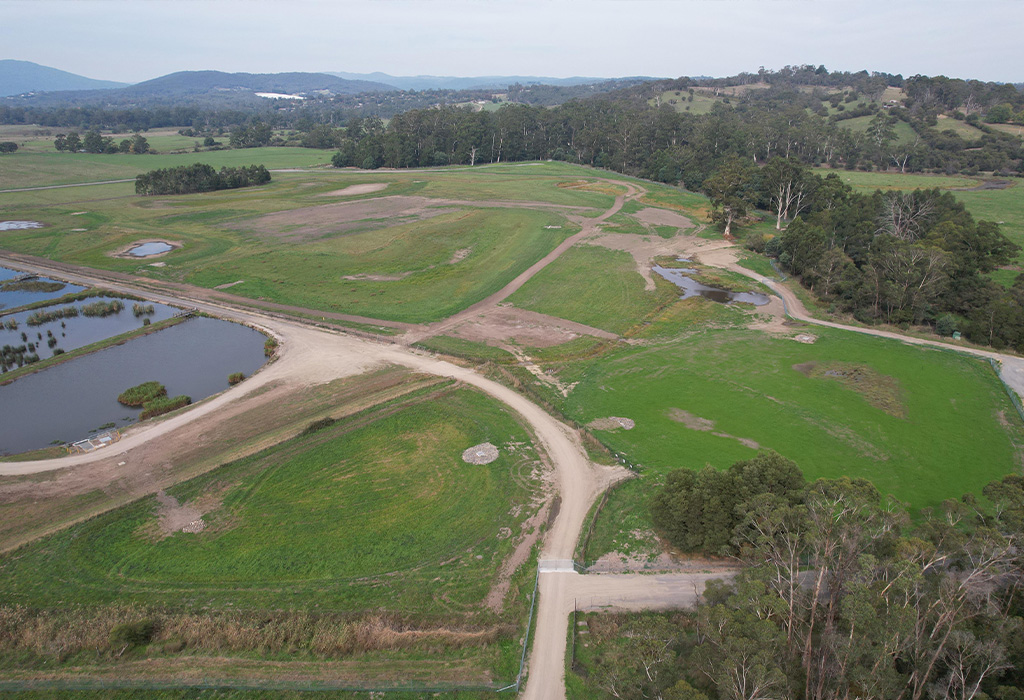
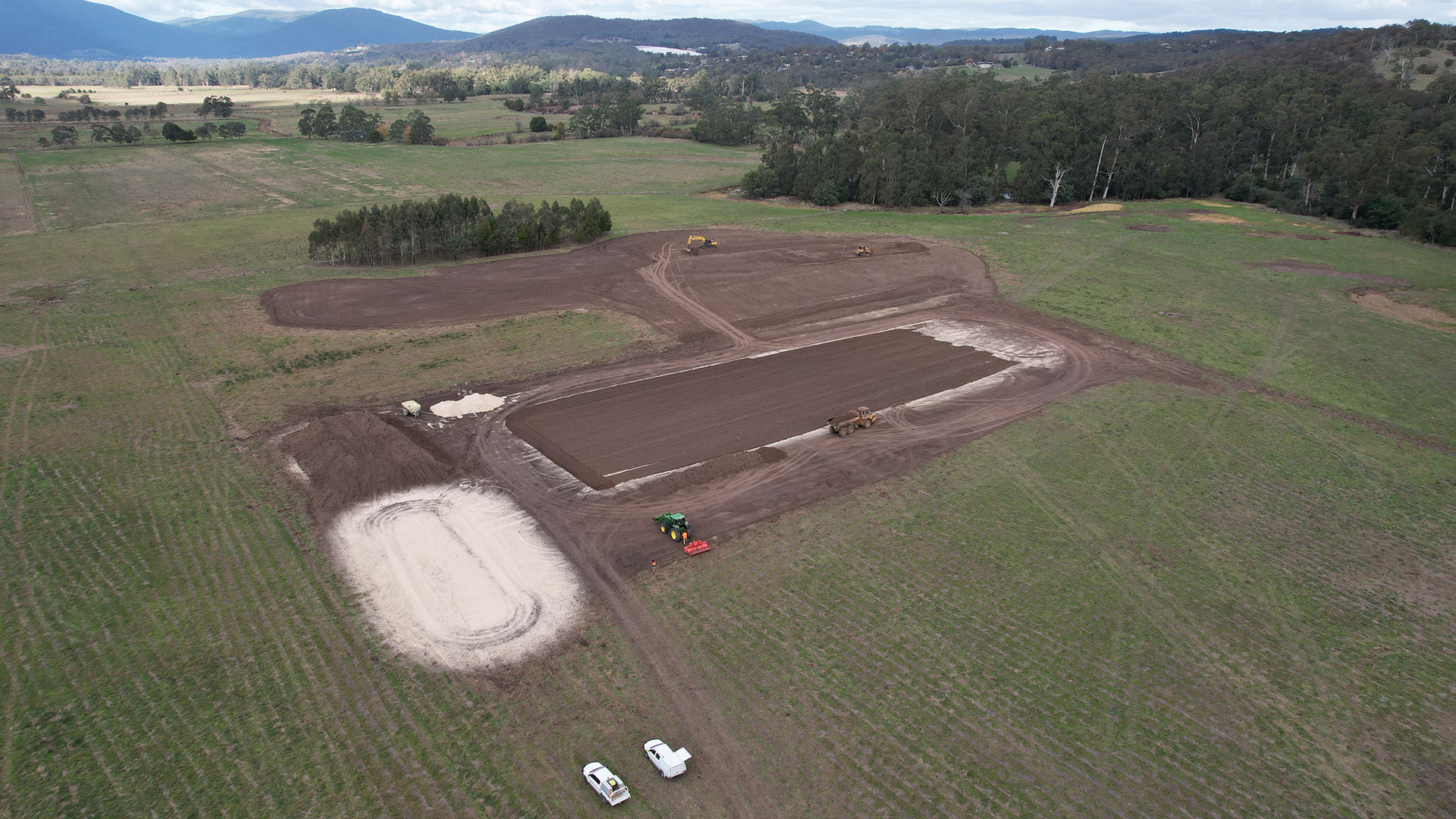
Yarra Valley Water engaged Jaydo to deliver the Upper Yarra Sewage Treatment Plant Habitat Restoration project – the construction of a 35-hectare wetland habitat on the Birrarung (Yarra River) floodplain, immediately south of the existing treatment plant.
The works are the civil foundation of a much larger environmental program: a long-term, climate resilient
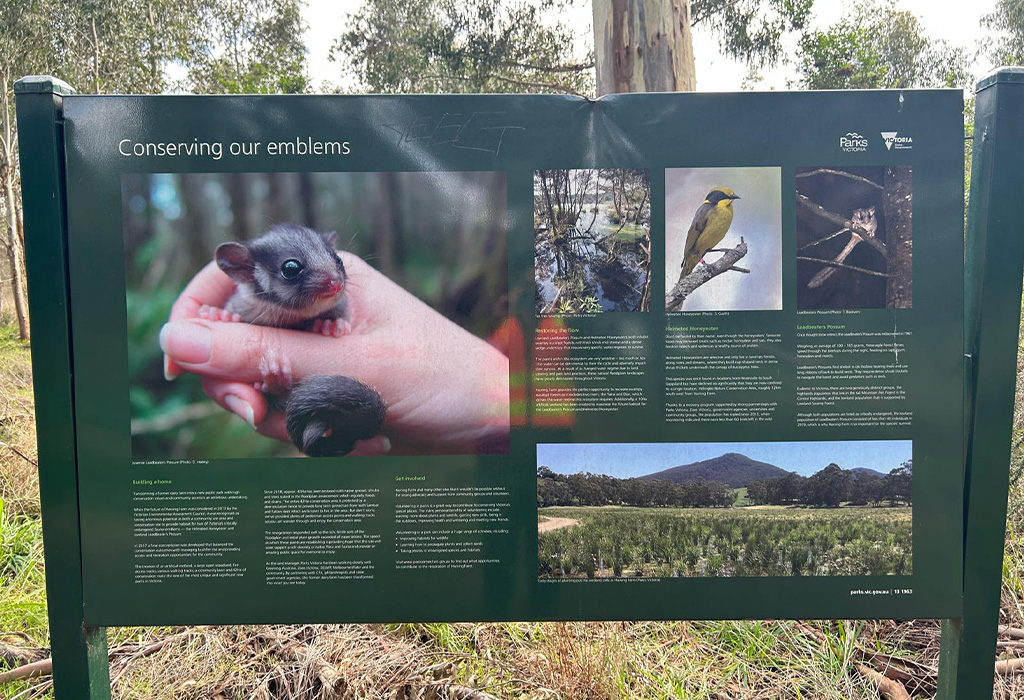
breeding habitat for two of Victoria’s critically endangered faunal emblems, the Helmeted Honeyeater and the lowland Leadbeater’s Possum. Jaydo’s earthworks re-established floodplain hydrology and swampy riparian conditions ahead of the planting of 172,000 native plants.
Delivery sat within a broad partner network led by Yarra Valley Water – Zoos Victoria, Parks Victoria, Melbourne Water, DEECA, Greening Australia, the Wurundjeri Woi Wurrung Cultural Heritage Aboriginal Corporation and Jacobs.
The scope of works included:
- Six new wetland cells operating as four interconnected sub-systems
- A diversion structure from the existing ephemeral watercourse, with overflow weirs and earthen bunds
- An overflow pumping pit and approximately 500m of DN125 PE pipework supplying recycled water
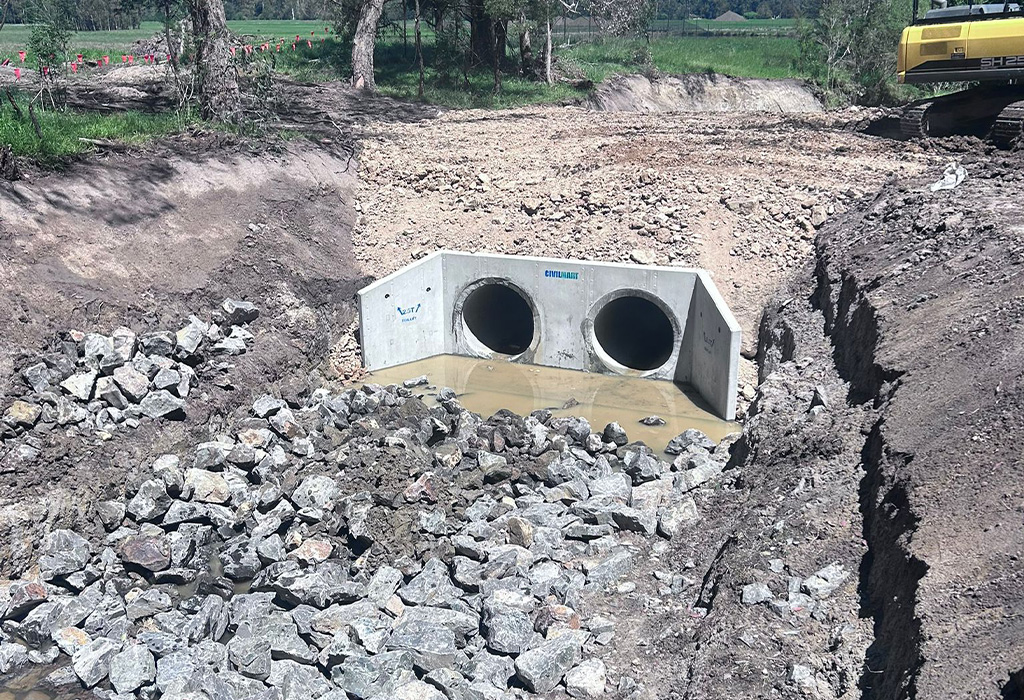
- Two fire access tracks, including a crossing over an ephemeral creek (two weir walls, dual 16m pipes)
- A 10,000L Bushfire Management Overlay compliant fire water tank
- Predator-proof fencing with anti-burrowing and anti-climbing features
- Treatment and reuse of approximately 18,330m³ of potential acid sulfate soil
Social Procurement
Jaydo continued its support of “Gama Dji Balit” (emerge strongly), a capability-building initiative with Yarra Valley Water and Ventia supporting Aboriginal-owned businesses. Kinaway-certified Have a Dig Excavations, led by Jason Tweedie, gained hands-on experience and training across multiple machines on site – strengthening both his skills and his business. The initiative was nominated for the 2024 Victorian Water Awards.
key outcomes
- 35 hectares of habitat handed over ready for planting – sized for 100 Helmeted Honeyeaters and 50 lowland Leadbeater’s Possums
- Approximately 18,330m³ of potential acid sulfate soil treated and reused, several months ahead of program
- Delivered on time and within budget, with zero lost time injuries
- A first-of-its-kind acid sulfate methodology, now drawing interest from other water authorities
key challenges
- A fixed, grant-funded program – Jaydo worked through winter and inclement weather rather than claim delays
- Wet season earthworks within the Birrarung floodplain, across an ephemeral watercourse, surface drains and billabongs
- Potential acid sulfate soils requiring excavation, treatment, laboratory verification and reinstatement at a new scale
- Standard construction plant unsuited to large-scale soil treatment, and agricultural practices unfamiliar to parts of the crew
- Community perception of bushfire risk from new vegetation, requiring engagement with neighbours, the CFA and Yarra Ranges Council
- A broad stakeholder network, and relocation of resident wildlife found within the works area
key innovations
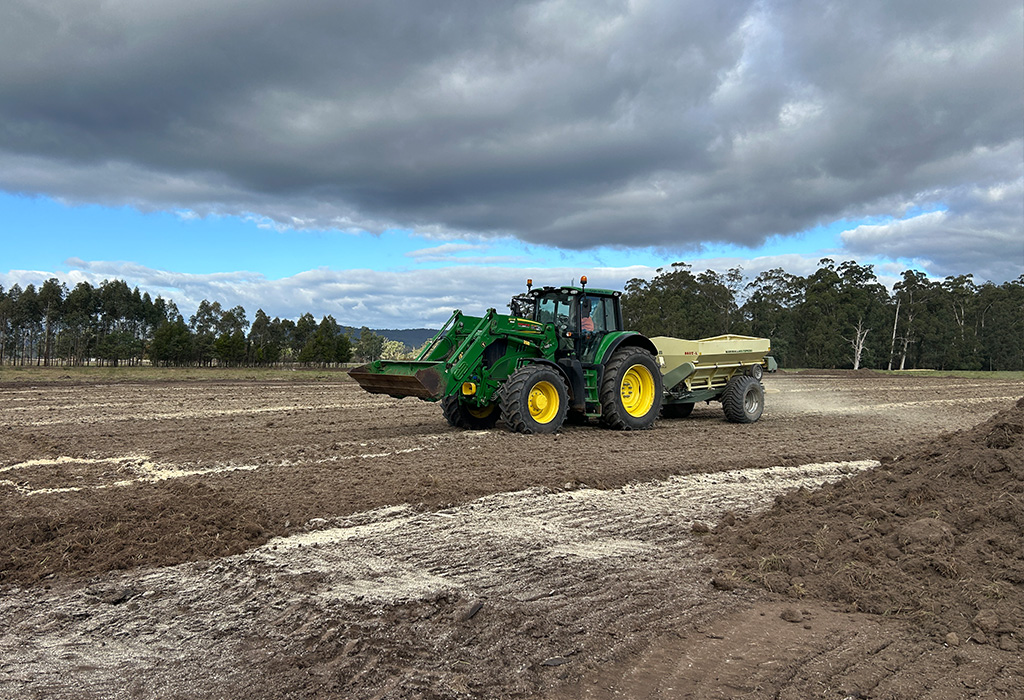
- Agricultural methods introduced to a civil site – tractors with super spreaders and rotary hoes in place of standard construction plant, drawing on the farming backgrounds within Jaydo’s own crew
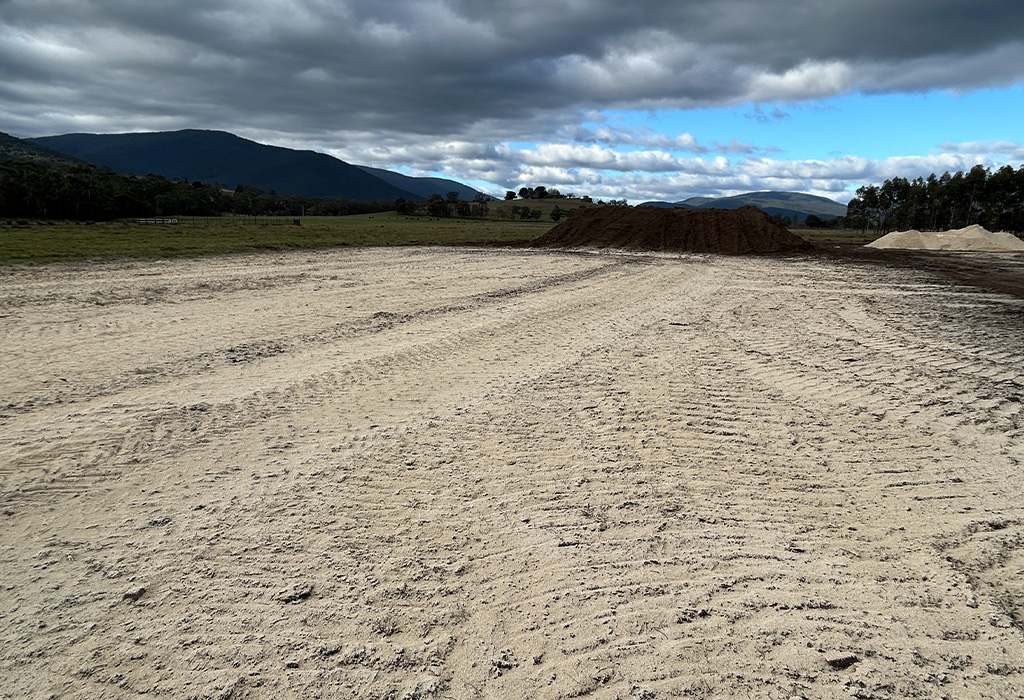
- Ag-lime treatment of potential acid sulfate soils (PASS) under an Acid Sulfate Soil Management Plan: a dedicated 40m x 100m pad treating 1,000m³ per batch, laid over a 4mm ag-lime base, sprayed at 13kg/m³ from a tractor hopper, blended with a rotary hoe, tested and stockpiled
- Only material passing NATA-accredited laboratory testing was reused – pH (KCl) above 6.5 and a 1.5 safety factor on neutralising capacity, with non-complying batches re-treated
- Topsoil ripped and tilled with a dozer and rotary hoe, keeping it fluffy and nutrient-rich for future grass and plant growth
- A temporary flume diversion allowed the creek crossing to be built through a wetter-than-usual period, with rock beaching and sediment controls
- Dual water supply – the restored watercourse supplemented by recycled water – building climate resilience through dry periods
- Bushfire risk designed out: firebreak clearings, dual-purpose access tracks, low-flammability species and a BMO-compliant water supply