Albert Park Branch Sewer
Albert Park Branch Sewer
Albert Park, Vic
Project Duration
Client
Project Value
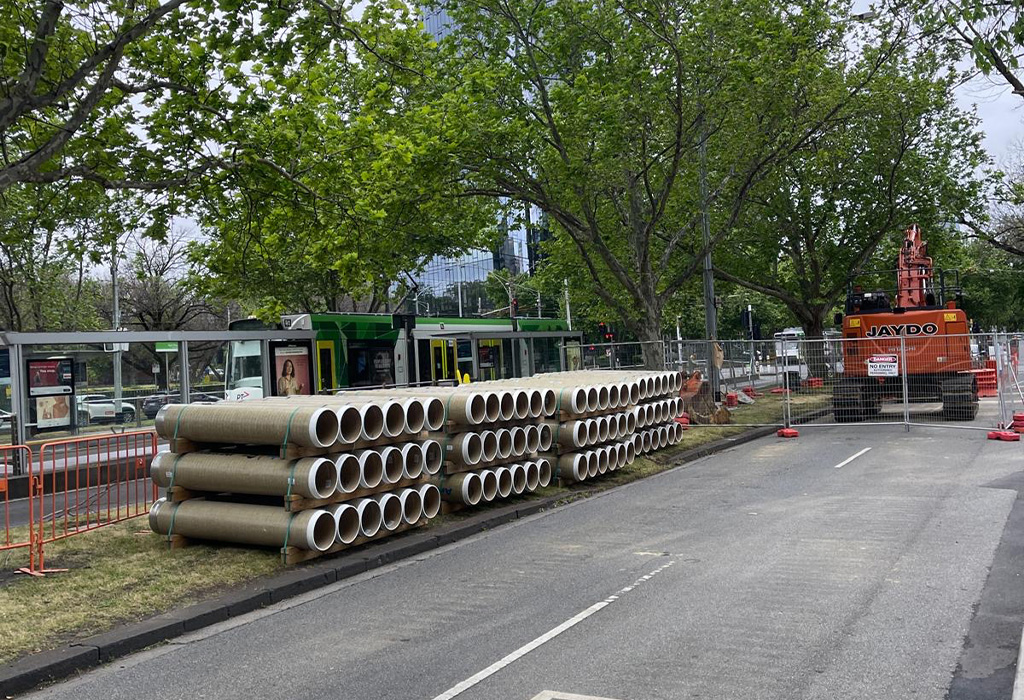
South East Water engaged the Zinfra, Jaydo & WSP (ZJW) Joint Venture to design and construct the Albert Park Branch Sewer — 1.9km of glass-reinforced plastic (GRP) gravity sewer duplicating Melbourne’s original 1898 sewerage system beneath Albert Park, St Kilda West and St Kilda Road. Jaydo delivered construction within the JV, with Zinfra as principal contractor and WSP as designer.
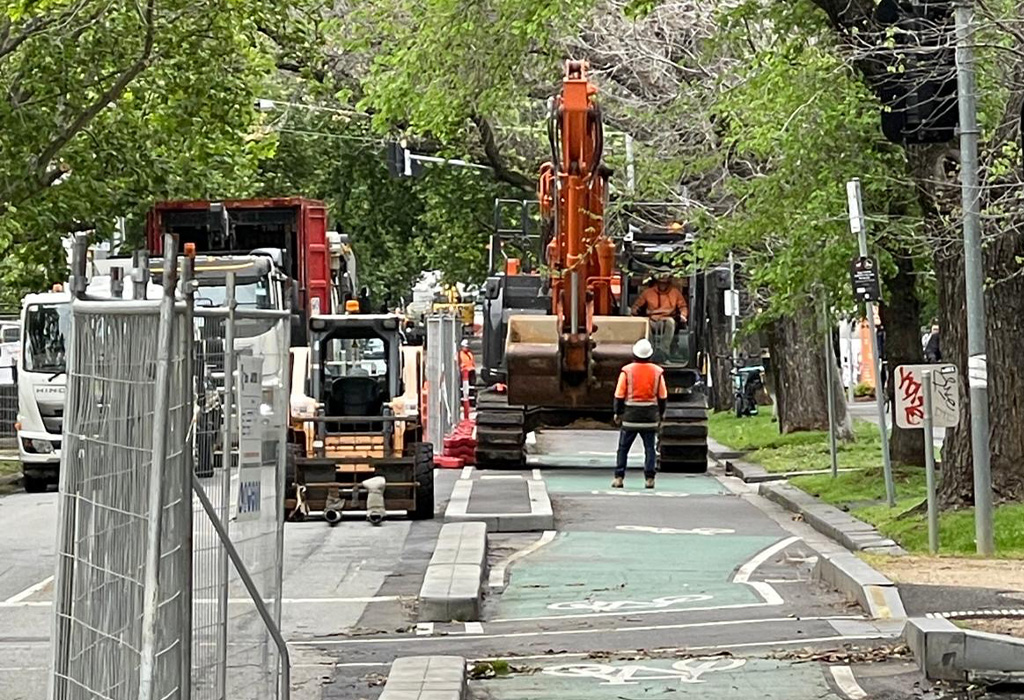
The new pipeline relieves the overburdened 130-year-old asset and provides critical network redundancy for future maintenance. With works crossing parkland, heritage-listed land, arterial roads and dense residential streets, most of the sewer was installed by microtunnelling, and shaft locations were chosen to avoid removing mature trees.
The scope of works included:
- 930m of DN600 and 950m of DN300 GRP sewer
- 19 maintenance holes, generally 4 to 6 metres deep
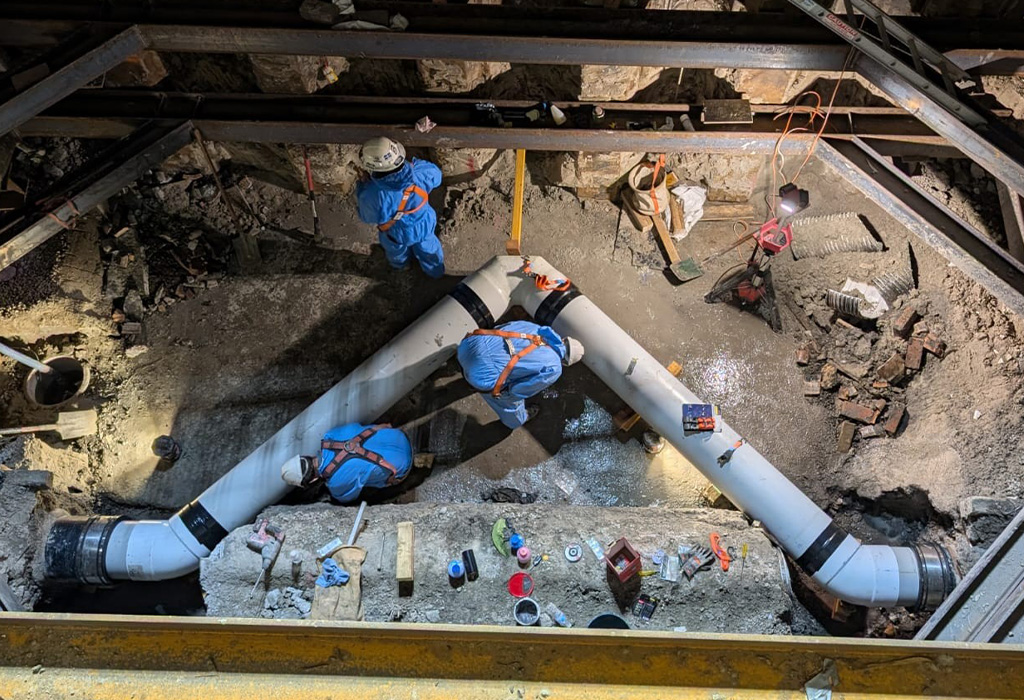
- Connections to existing infrastructure, including relining of the aged vitrified clay sewer
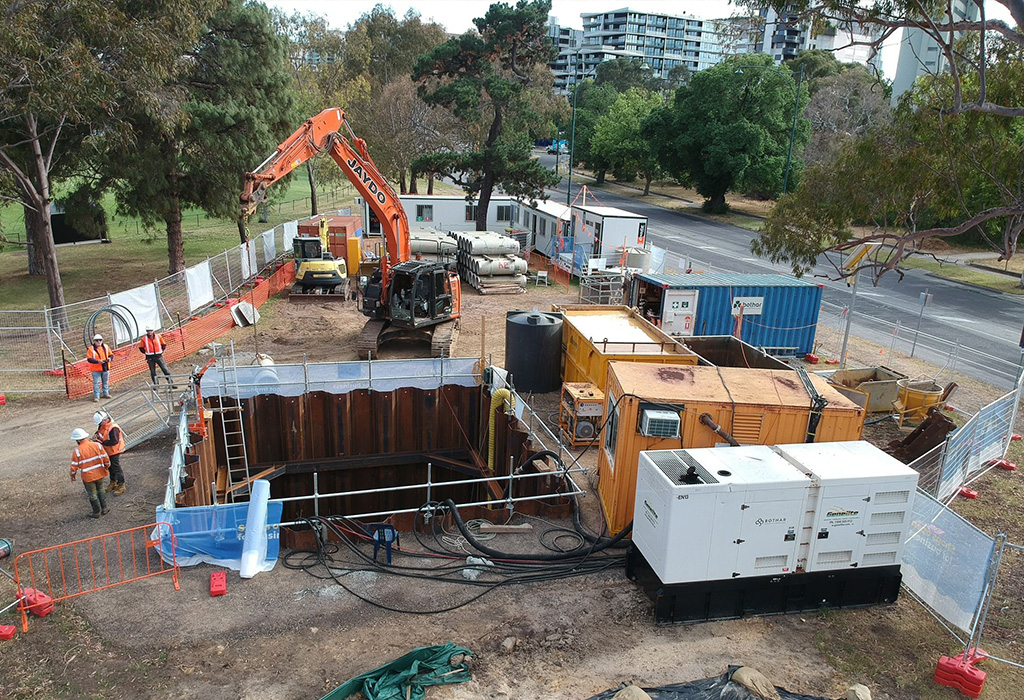
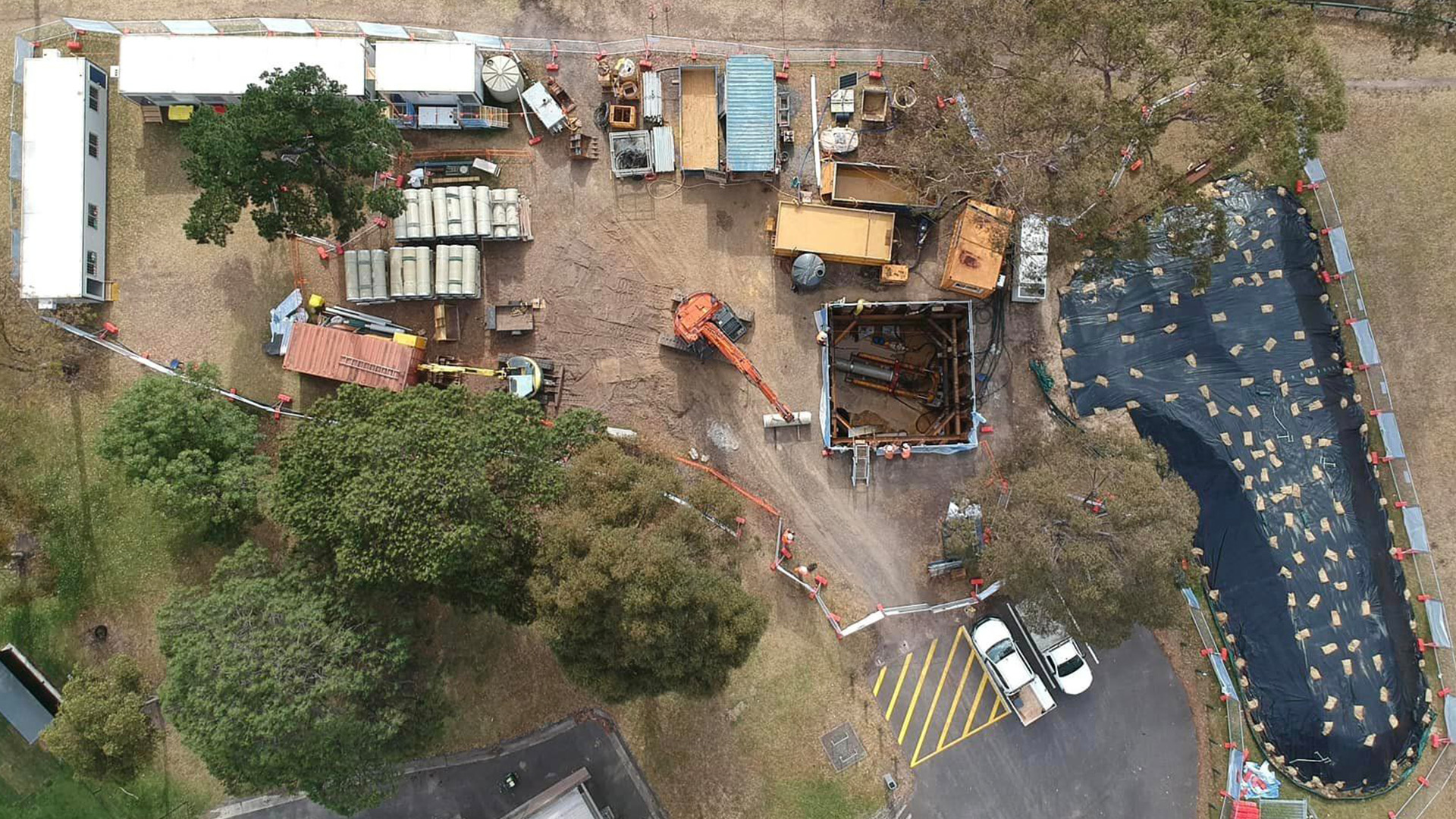
- Sheet-piled launch and retrieval shafts in saturated Port Phillip sand
- Staged road closures, traffic management and reinstatement around major events
key outcomes
- Melbourne’s 1898 sewer duplicated, relieving the aged asset and providing network redundancy
- Zero service strikes across 55,000 hours worked – a service strike frequency rate of 0.0
- Zero lost time injuries and zero statutory reportable incidents
- Melbourne Grand Prix and Melbourne Marathon delivered without impact
key challenges
- Incorrect Dial Before You Dig data and undocumented services, driving significant design updates after mobilisation
- Heritage-listed land, including a former military barracks, requiring salvage digs and CHMP approvals
- Grand Prix and Marathon embargoes preventing chronological construction, forcing sectioned and flexible programming
- A high water table and running sand close to the bay
- A no-tree-removal goal within a reserve of protected mature trees
- Potential acid sulfate soils and contaminated ground from a former tip site
- High-traffic zones on St Kilda Road and Union Street – detailed traffic modelling for Department of Transport permits, holiday reopenings and driveway access maintained
key innovations
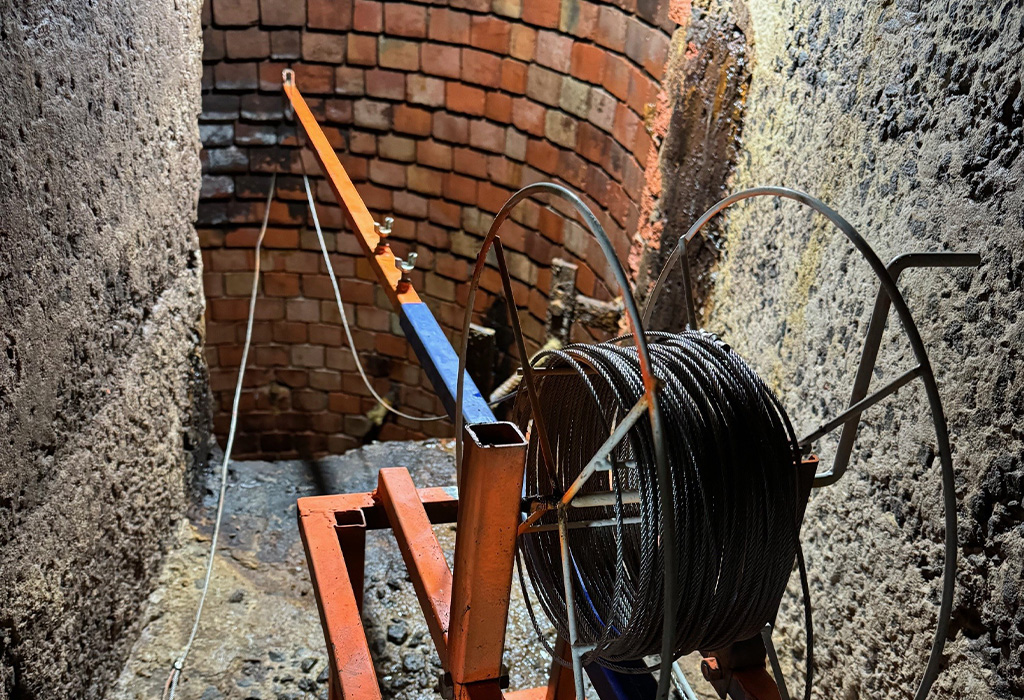
- 3D laser and Lidar survey of the 1890s vitrified clay sewer and Melbourne Water’s HBM30 structure, modelled to inform relining and the trenchless connection
- In-house fabrication of an extendable cable winch to facilitate LIDAR survey within HBM30; otherwise unreachable due to unsafe ladder access
- Use of Movax sheet piling head, vibrating at high frequencies with a built-in low frequency cutoff to protect nearby assets and structures from damage
- Launch chambers sheet-piled beyond the shaft and stabilised with hydrophilic resin, preventing running sand ingress during boring machine installation
- The live VC sewer temporarily replaced with PVC and bypassed by gravity within the shaft, sparing residents an above ground pumped bypass
- A free bore beneath Queens Road and Union Street deferred the retrieval shaft past the Christmas closure, cutting traffic impact by six weeks
- Early in-house service locating using electromagnetic locators, GPR and NDD, building a Quality Level A asset register
Value for Money
- Handrails bought for reuse across multiple shafts, and sheet piles reused where possible
- Pipe fittings procured early to secure cost savings and delivery
- Site compounds placed close to work zones to cut transit times